What is the difference between carbon fiber sheet and plate?
The terms often overlap. Sheet commonly describes thinner or general-purpose flat panels, while plate often emphasizes structural stiffness, thicker laminates or machining. Quote by dimensions, thickness, construction, machining and application rather than the label alone.
How should I choose carbon fiber sheet thickness?
Start with finished geometry, unsupported span, load direction, mounting points, stiffness target and safety factors. State the required thickness if it is already controlled by your design; otherwise provide the application inputs for technical review.
Can sheets be cut to custom dimensions?
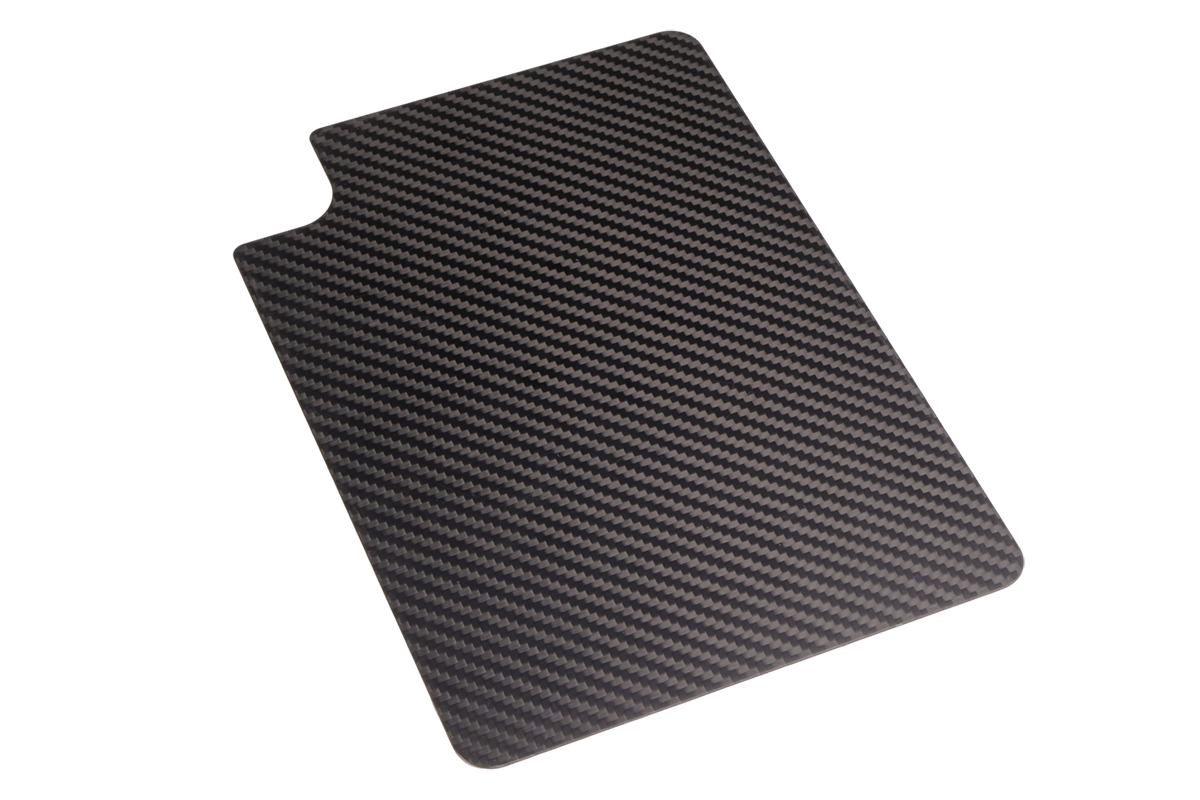
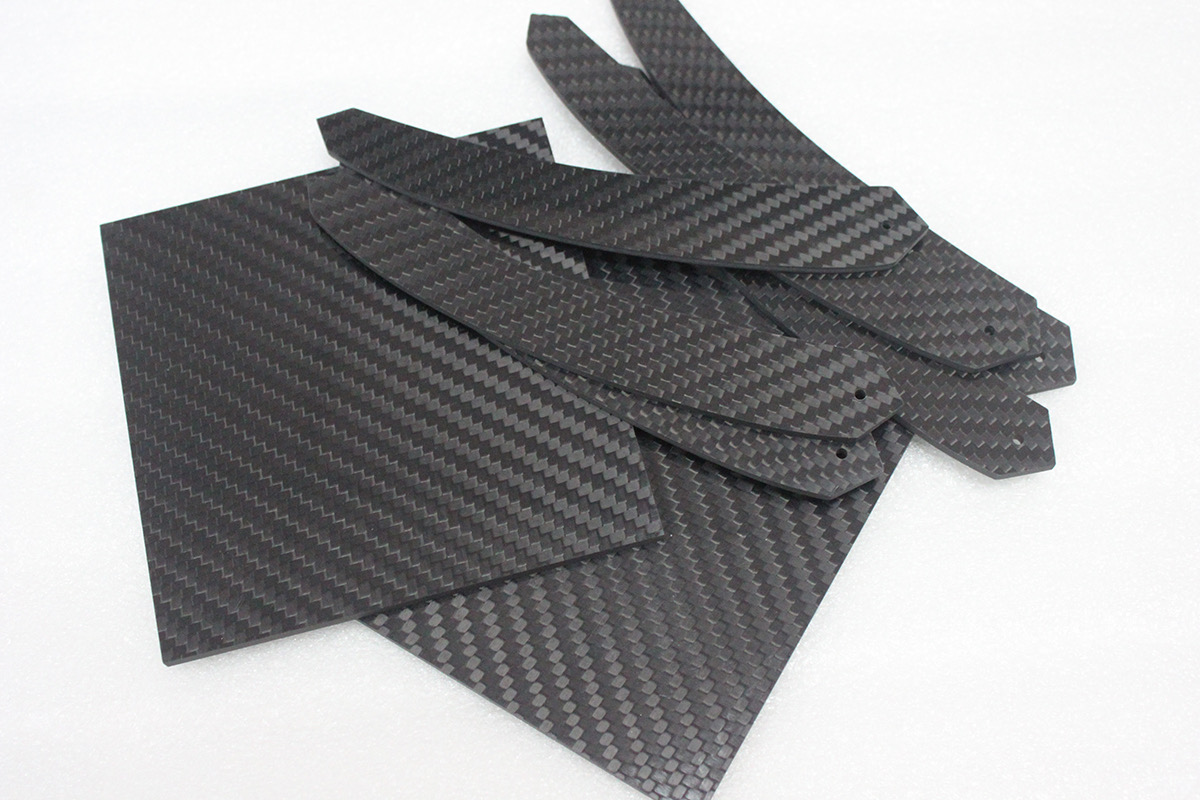
Cut-to-size blanks and drawing-defined profiles can be reviewed. Provide finished length and width, thickness, edge expectations, quantity and any machining allowance.
Can holes, slots and cut-outs be CNC-machined?
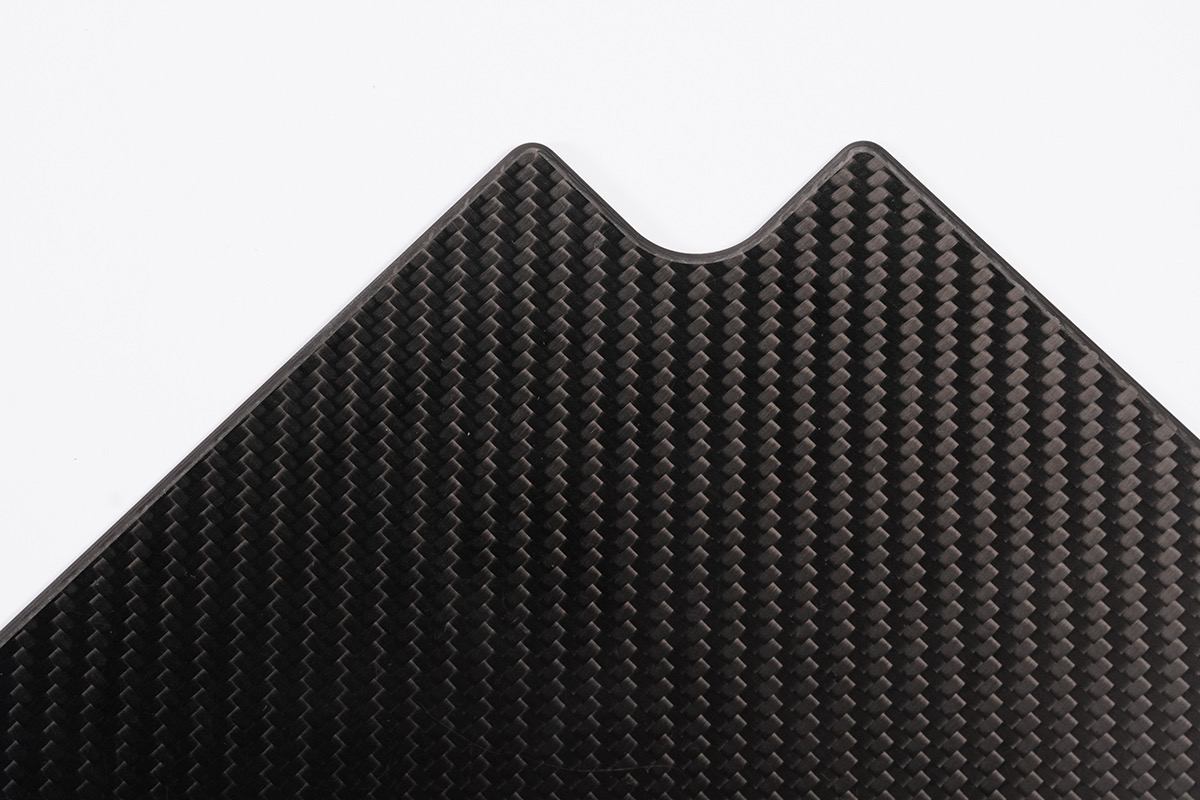
Drawing-based holes, slots, contours and cut-outs can be reviewed. Feasibility depends on laminate thickness, geometry, edge distance, hole relationships, tolerance, surface requirements and quantity.
What is the difference between twill, plain weave and unidirectional construction?
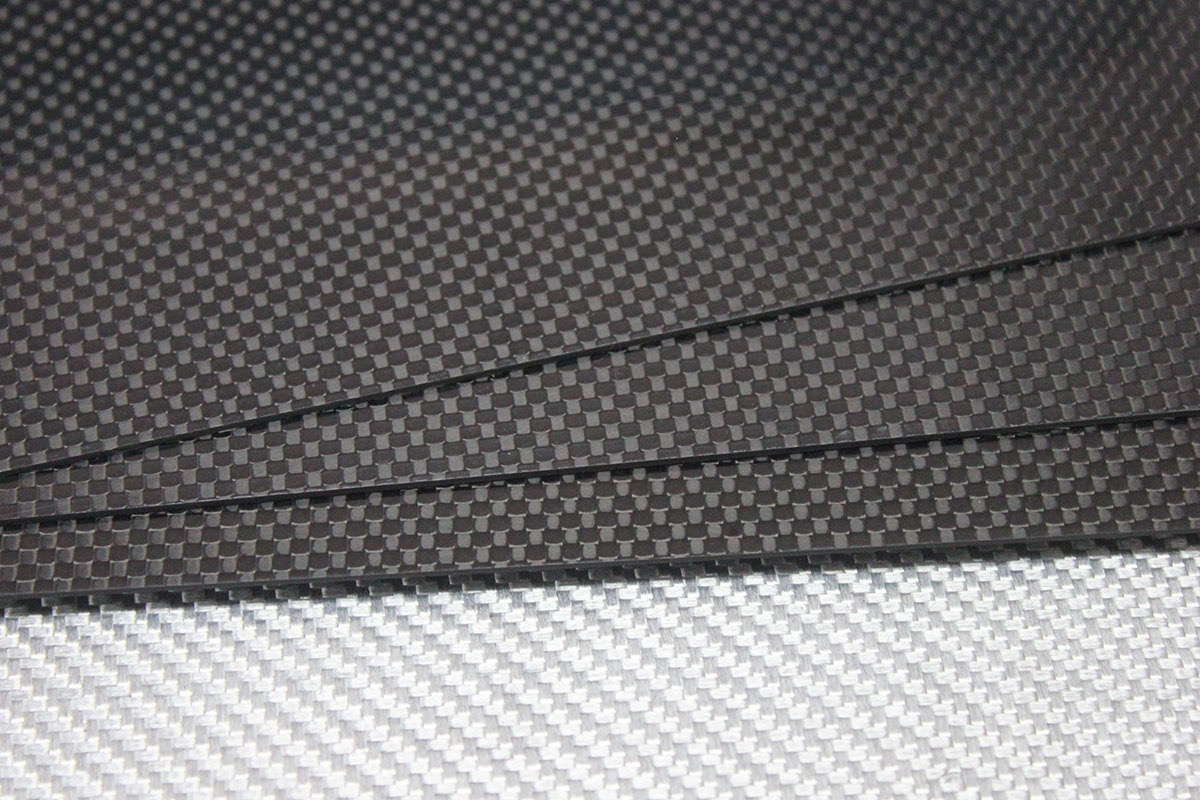
Twill and plain weave describe woven reinforcement patterns; unidirectional construction concentrates fibers along a primary direction. Current construction and surface combinations must be confirmed for the required load path, appearance, thickness and process.
Does the visible weave define the internal laminate?
Not necessarily. A visible woven surface can be part of a laminate whose internal reinforcement is selected for structural needs. Specify both appearance and performance requirements rather than assuming one from the other.
Are matte and gloss carbon fiber sheets available?
The site documents matte and gloss expectations as quotation inputs, but does not establish every combination as standard stock. State the visible face, desired appearance and handling requirements for confirmation.
What drawing information is required?
Include units, finished dimensions, thickness, datums, tolerances, holes, slots, contours, edge details, material assumptions, quantity and revision identification. Mark cosmetic and functional requirements clearly.
Which drawing formats can be reviewed?
The existing site supports DXF and DWG drawing input, 2D manufacturing drawings and available 3D reference models. PDF can be sent as a reference document; confirm the controlling file and accepted transfer format before production review.
Can I order a prototype before production?
A sample or prototype stage can be discussed where appropriate. Define what the sample must validate, including dimensions, appearance, assembly fit or other buyer-controlled checks.
What determines MOQ?
Minimum quantity can depend on material construction, dimensions, machining, setup, tooling, finish and commercial scope. MOQ is confirmed per quotation rather than published as one universal number.
What affects a carbon fiber sheet quotation?
Key factors include panel or part dimensions, thickness, construction, machining complexity, surface expectations, tolerances, quantity, inspection, packaging, destination and shipping responsibility.
How are sheets and machined parts protected during shipping?
Protection is planned around visible surfaces, edges, corners, panel separation, part geometry, dimensions, quantity and shipping method. Carton or crate selection is confirmed for the order rather than treated as universal.
Can you coordinate with my freight forwarder?
Freight coordination can be discussed for courier, air or sea shipment. Confirm collection location, documents, packaging, handover responsibilities and destination, including UAE and other Middle East inquiries.