Low weight for field handling
Lower component mass can make poles, supports and portable equipment easier to carry and reposition, subject to validation of the complete assembly.
OEM components for surveying equipment
Drawing-based OEM supply of lightweight rods, tubular components and custom-machined carbon fiber parts for surveying poles, antenna supports, extension members and portable precision field equipment.
Component-level OEM supply only. Complete GPS, GNSS or RTK systems are not implied.
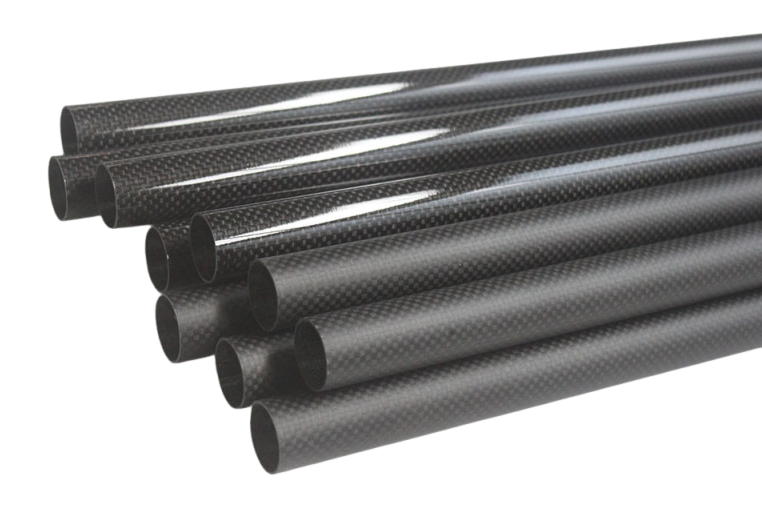
The material choice should support the component's actual load, connections, handling and field environment. Carbon fiber is often considered where portable structures need a useful balance of low weight and rigidity.
Lower component mass can make poles, supports and portable equipment easier to carry and reposition, subject to validation of the complete assembly.
Appropriate laminate and geometry can support rigid structural members and stable mounting interfaces. Critical dimensions must be defined on the buyer's drawing.
Carbon fiber components can suit outdoor structures where moisture exposure matters. Interfaces with metals, coatings and long-term field conditions still require engineering review.
These are component-use contexts for sourcing discussions, not claims that Aero supplies finished instruments or complete telescopic systems.
Select the product form around the mechanical role and interface design. Aero reviews dimensions, construction and secondary machining against project information rather than publishing unverified standard ranges.
For lightweight shafts, pole members, antenna supports and extension components specified by outside diameter, inside diameter or solid-rod geometry.
Explore carbon fiber rods and tubes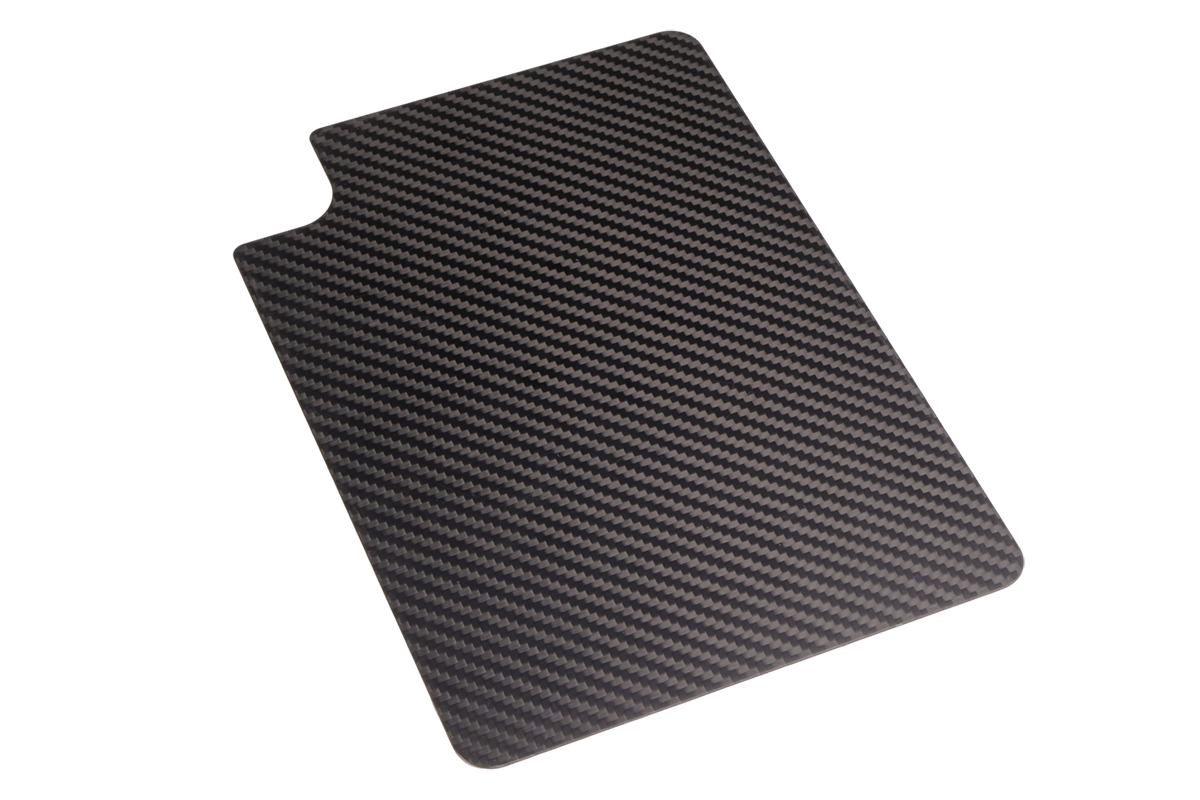
For equipment panels, mounting plates, brackets and interfaces that may require CNC cutting from a buyer drawing.
Explore carbon fiber sheets and plates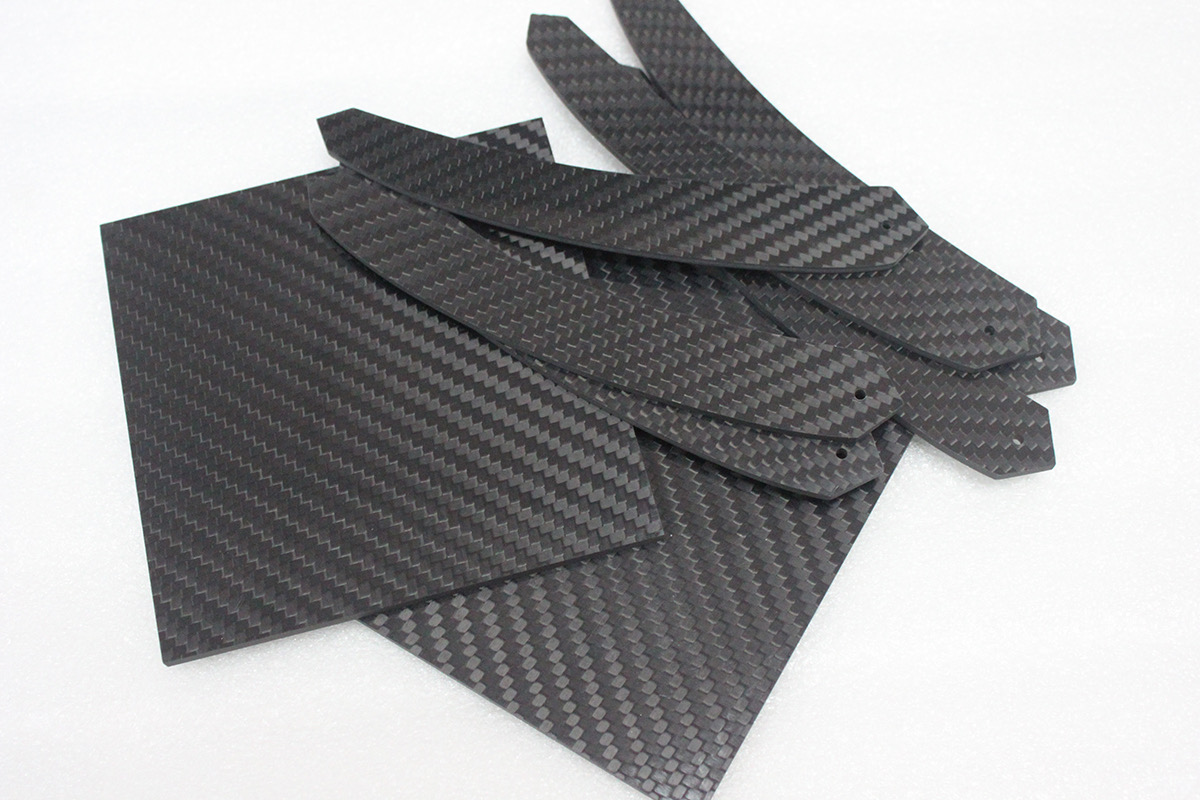
For holes, profiles, slots and equipment interfaces where the drawing defines the finished component geometry.
Review OEM manufacturing capabilitiesA useful RFQ separates the carbon fiber component from the instrument-level requirements and identifies what must be confirmed during drawing review.
Construction, dimensions, machining feasibility and inspection requirements are confirmed per quotation. Instrument accuracy and complete-system performance remain subject to customer-side validation.
The workflow is designed to clarify interfaces and validation responsibilities before repeat production.
Describe the component's role, load direction, field environment, assembly method, quantity and destination.
Share CAD files or dimensioned drawings showing tube geometry, critical dimensions, connections, adapters and machined features.
Aero reviews the requested carbon fiber form, surface expectation, manufacturing approach and secondary machining for quotation.
Where appropriate, a sample or prototype stage can be discussed so the buyer can check the component against the intended assembly.
The buyer validates fit, function, instrument behavior and field performance within the complete GPS, GNSS or RTK system.
After requirements and approved references are confirmed, repeat-production needs, inspection points, packaging and shipping coordination can be reviewed.
Clear scope protects both the equipment design and the quotation.
Carbon fiber rods, tubular components, sheets and custom-machined carbon fiber parts can be reviewed using buyer drawings, dimensions and application information.
Complete RTK or GNSS instruments, electronics, locking mechanisms and finished assemblies are not implied by this page. Any request involving those items requires explicit scope confirmation.
Answers below help procurement and engineering teams prepare a clearer inquiry without assuming an unverified standard product.
This page covers carbon fiber rods, tubes, sheets and machined components. A complete pole, locking mechanism, instrument or finished assembly is not implied and would require separate confirmation.
Custom dimensions can be reviewed from the required outside diameter, inside diameter or solid-rod size, length, interface details, quantity and application. Feasibility is confirmed during quotation.
Send dimensions, component function, connection details, critical drawing requirements, finish, quantity, project stage, service environment and destination. See the buyer FAQ for general RFQ guidance.
Drawing-defined holes, slots, profiles and mounting features can be reviewed through the custom manufacturing process. Include toleranced dimensions and identify any mating hardware or inserts.
Yes, describe the prototype purpose and the checks your team will perform. Prototype feasibility, quantity and commercial terms are confirmed per inquiry.
Carbon fiber is often considered for lightweight outdoor structures, but the full environment—including moisture, temperature, impact, UV exposure and metal interfaces—should be disclosed for review and validated in the complete equipment.
Provide a dimensioned drawing or CAD file showing mating geometry, threads or fasteners, alignment features, bonded areas, critical fits and the intended assembly sequence.
Shipping coordination can be discussed during quotation. Include the destination country or the freight forwarder's receiving location so packaging and commercial requirements can be reviewed.
Send the required rod or tube dimensions, connection details, quantity and application for review.
Request quotation
Send required rod or tube dimensions, connection details, quantity and application for review. Drawings can be shared by email after submitting the form.